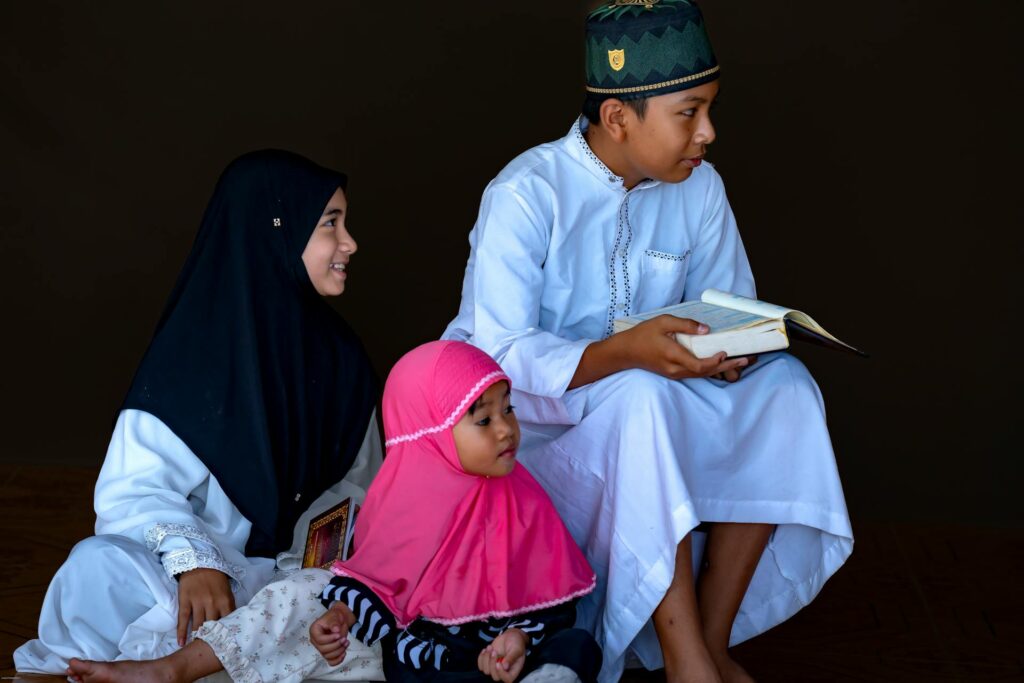
When parents practice different religions or one parent has strong feelings about how children should be raised spiritually, custody disputes can become deeply personal. For families where Islamic upbringing is at the center of the disagreement, understanding how Indiana courts approach religious questions in custody cases can help you prepare for what lies ahead.
How Indiana Courts Handle Religion in Custody Cases
Indiana, like all states, operates under the principle that custody decisions must serve the best interests of the child. When it comes to religious upbringing, courts are generally reluctant to favor one faith over another. Judges are not in the business of deciding which religion is better. What they focus on is whether a particular religious practice causes harm to the child or creates serious conflict that disrupts the child's stability.
This means that a parent's desire to raise children in the Muslim faith is treated with the same weight as any other sincere religious belief. Courts do not look down on Islamic traditions, religious education, attending mosque, observing fasting during Ramadan, or celebrating Islamic holidays. These are recognized as legitimate expressions of parental values and cultural identity.
When Religion Becomes a Legal Issue in Custody Cases
Religion typically enters the legal arena in one of several ways. A non-Muslim parent may object to the child being raised with Islamic practices. A Muslim parent may worry that their faith will be minimized or prohibited after separation. Or both parents may practice Islam but disagree on the level of religious involvement they want for their children.
Indiana courts become involved when one parent asks the court to restrict or allow certain religious activities. For example, a parent might request that the parenting plan address whether the child attends religious school, participates in prayer, or observes religious dress. Courts can and do include religious provisions in parenting plans when the parents cannot agree on their own.
The standard remains the child's best interest. A judge will look at factors such as:
- What religious upbringing did the child have before the separation?
- Are there credible concerns that a specific practice harms the child's health, safety, or emotional wellbeing?
- How old is the child, and does the child have expressed preferences?
- Are the parents willing to support each other's relationship with the child regardless of faith differences?
What Parents Raising Children in the Muslim Faith Should Know
If you are a Muslim parent and faith is important to how you raise your children, here are several practical points to keep in mind as you navigate a custody dispute.
Document your religious involvement. Courts respond to evidence. If you have been the primary religious caregiver, keep records of attendance at mosque, Islamic school enrollment, participation in community events, and how religious observances have been part of your child's daily life.
Be reasonable about the other parent's role. Courts favor parents who encourage the child's relationship with both parents. If you are asking for your child to practice Islam during your parenting time, be prepared to acknowledge the other parent's right to their own beliefs during their parenting time as well.
Focus on harm, not preference. Courts will not restrict religious practices simply because one parent dislikes them. To limit religious activities, a parent must typically show that a specific practice causes measurable harm to the child. General objections to a faith are not enough.
Consider a detailed parenting plan. Rather than leaving religious questions vague, a detailed parenting plan can specify things like whether the child attends mosque, whether religious holidays are observed, and how religious education is handled. A specific plan reduces future disputes.
Muslim Holidays and Custody Schedules
One area where religion intersects directly with custody logistics is holidays. Standard Indiana parenting time guidelines do not include Islamic holidays like Eid al-Fitr or Eid al-Adha. If celebrating these occasions with your child is important to you, it needs to be explicitly addressed in your parenting plan.
Negotiating for specific holidays or requesting modifications to accommodate religious observances is a reasonable ask. Courts and attorneys are accustomed to customizing holiday schedules to reflect a family's actual traditions, whether those are Islamic, Christian, Jewish, or anything else.
When Both Parents Are Muslim
Even when both parents share the Islamic faith, disputes can arise about the level of religious practice they want for their children. One parent may want the child to attend Islamic school while the other prefers a secular education. One parent may want stricter observance than the other.
In these cases, courts still apply the best interest standard. They look at the child's current routine, stability, and what arrangement best supports their overall development. Being Muslim does not automatically resolve disagreements about how that faith is practiced in day-to-day life.
The Role of Cultural Identity
Beyond formal religious practice, courts recognize that cultural identity is part of a child's wellbeing. For many Muslim families, Islamic faith and cultural heritage are deeply intertwined. Courts in Indiana can acknowledge this when crafting parenting plans, particularly when a child has been raised within a specific cultural community and has formed meaningful connections there.
FAQ
Can a non-Muslim parent prevent a child from being raised in the Muslim faith?
Generally, no. Indiana courts do not restrict religious upbringing based on one parent's personal objections to a faith. A parent would need to demonstrate that specific religious practices cause actual harm to the child to obtain any restrictions.
Can a parenting plan in Indiana specify religious upbringing?
Yes. Parenting plans can include provisions about religious education, attendance at religious services, and observance of religious holidays. These provisions are more effective when negotiated between parents rather than imposed by a court.
What if the other parent takes the child to religious services I disagree with during their parenting time?
In most cases, each parent has the right to make day-to-day decisions, including religious activities, during their own parenting time. Courts typically will not restrict what a parent does during their own parenting time unless it causes demonstrable harm.
Does a child's preference about religion matter to a court?
As children get older, Indiana courts give increasing weight to their preferences, including preferences about religion. A teenager's expressed preference about religious practice is more likely to influence a court than the preference of a young child.
How do I handle Ramadan fasting for my child in a shared custody arrangement?
This is best addressed directly in the parenting plan. If observing Ramadan fasting is important to your family and your child is at an appropriate age, specify how fasting will be handled across households. If the other parent is not Muslim, communication and a clear parenting plan provision can prevent conflict.
This post is for general informational purposes only and does not constitute legal advice. Religious custody issues in Indiana can be nuanced, and outcomes depend on the specific facts of each case. Please consult a licensed Indiana family law attorney for advice about your situation.
For more information about how Indiana courts handle custody decisions, visit our Child Custody practice area page.